How to Safely Inspect Your Roof From Ground Level Today
A ground-level roof inspection helps you spot visible damage without the risks of climbing a ladder or walking on roofing materials. For Logan homeowners, checking after strong winds and heavy rain can reveal problems that need attention before the next storm. You only need daylight, a clear view and, optionally, binoculars or a phone camera with zoom.
A ground-level check is a screening tool, not a complete roof inspection. It cannot confirm the condition of concealed fixings, underlay or areas hidden from view.
Choose Safe Conditions Before You Start
Wait until storms have passed and visibility is good. Wear enclosed, slip-resistant shoes and stay on firm, level ground. Avoid slippery paths, flooded areas and locations beneath hanging branches or loose roofing.
Never climb onto fences, outdoor furniture or retaining walls to improve your view. Keep clear of overhead powerlines. If you notice fallen wires or electrical equipment damaged by a storm, stay away and contact the electricity distributor or emergency services as appropriate.
Follow This Ground-Level Roof Inspection Checklist
- Check the roofline. View the roof from several safe positions around your property. Look for an uneven ridge, visible sagging or sections that appear displaced. A pronounced dip warrants professional assessment.
- Look for damaged roofing. On tiled roofs, check for cracked, slipped or missing tiles. On metal roofs, look for lifted sheet edges, obvious corrosion and loose components. Zoomed photographs can help you review details without moving closer.
- Examine visible flashing. Check around chimneys, roof junctions and other penetrations for metal flashing that appears lifted, bent or detached. Seal condition often requires a closer professional inspection.
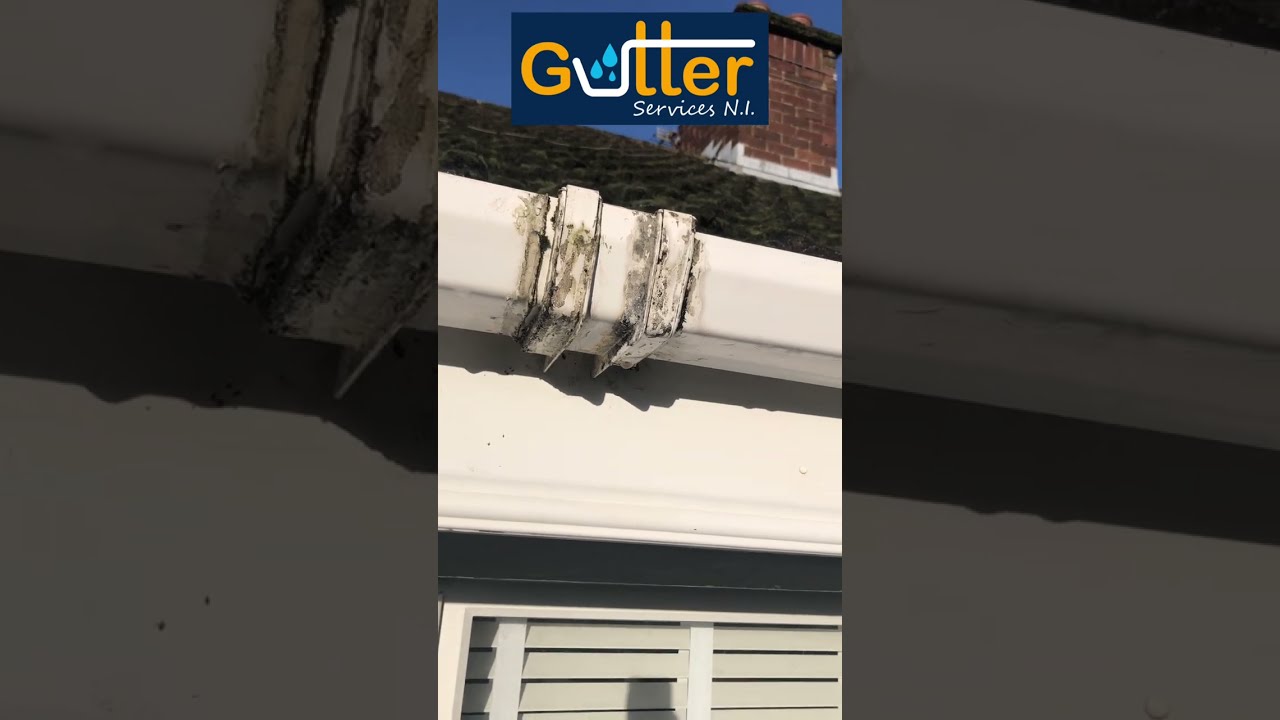
- Inspect gutters and downpipes. Look for sagging gutters, separated joints, vegetation and debris collecting near outlets. During ordinary rain, observe drainage only from a sheltered, safe position; overflow can indicate a blockage or another drainage problem.
- Check the edges and surroundings. Look for peeling paint, staining or deterioration on fascia boards and eaves. Note fallen roofing fragments and branches touching the roof, but do not stand beneath visibly unstable materials.
Record What You Find
Take clear photographs from consistent viewpoints and https://loganroofingexperts.com.au/painting-sealing/ note the date and location of each concern. Comparing images after Logan storms can help you identify new damage. Photograph from within your property or a safe public location without entering neighbouring land.
Also check indoor ceilings and upper walls for new stains, bubbling paint or dampness. These signs may indicate water entry, although the source is not always directly above the mark.

Know When to Call a Roofing Professional
Arrange an assessment if you see missing roofing, loose flashing, persistent gutter overflow or signs of a leak. Visible sagging, displaced sheets or a bulging, water-filled ceiling need urgent attention. Keep people away from affected areas and avoid touching wet electrical fittings.
Choose a Logan roofing contractor with appropriate licensing for the work and current insurance. Share your photographs and request an assessment before agreeing to repairs. Do not attempt to reposition tiles, tighten roof fasteners or clear roof-level gutters from an improvised platform.
Logan Roofing Experts
Unit 2/169 Queens Rd, Kingston QLD 4114
(07) 3179 6988